Water Heater Repair or Replacement How to Make the Right Call

Water Heater Repair

Cold showers create fast decisions. In Surprise, those decisions often happen on a weekday morning, right before school drop-off. A water heater can fail quietly, or it can announce trouble with leaks, rumbling, and rising utility bills. Hard water in Maricopa County speeds up wear. Minerals settle, scale forms, and parts strain. The right call is rarely always repair or always replace. It depends on age, symptoms, safety, and cost.

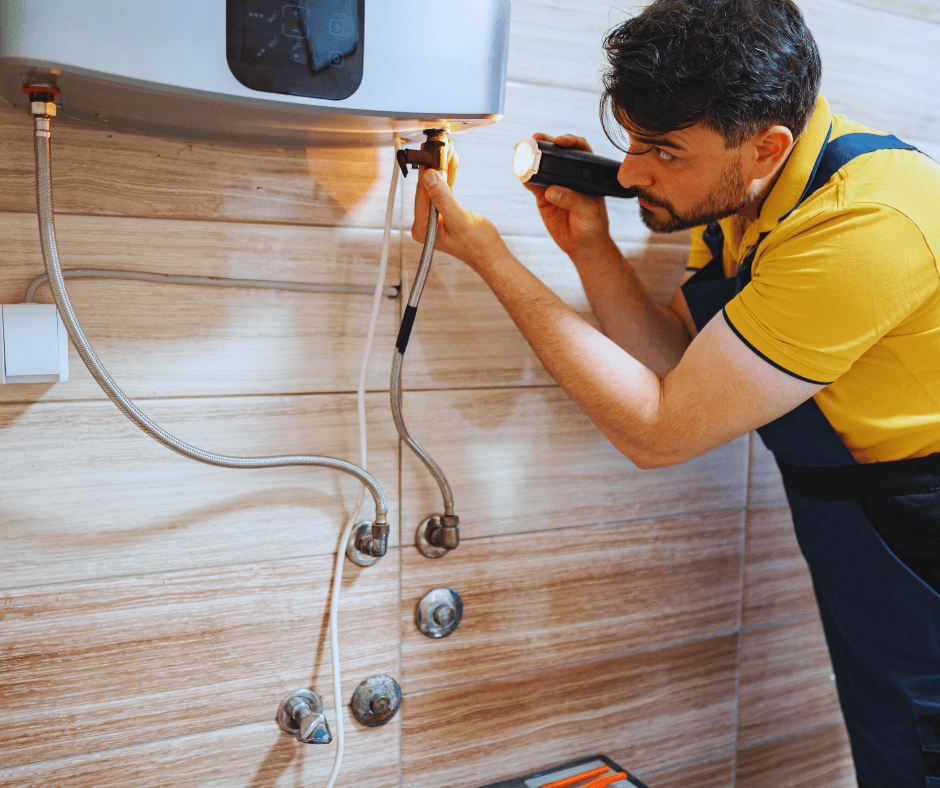
Grand Canyon Home Services handles water heater repair in Surprise for storage tanks and tankless systems. The team starts with diagnosis, then recommends repair or replacement based on what the unit is doing today, and what it will likely do next month.

Water Heater Repair

Why water heaters in Surprise wear out faster

Many Surprise homes have hard water. Scale builds on heating surfaces and inside pipes. In a gas water heater, sediment can collect at the bottom of the tank and trap heat. That leads to rumbling noises, higher gas use, and stress on the burner assembly. In an electric storage tank, scale can coat heating elements and slow recovery time.

A common pattern shows up in Marley Park and Asante. Hot water seems fine at first, then turns lukewarm by the second shower. The unit still runs, yet recovery is slow. That is often sediment plus a tired thermostat or a weakened heating element. In Surprise Farms and Rancho Gabriela, another complaint appears. Hot water smells odd or looks slightly rusty. That can point to an anode rod that is spent and no longer protecting the tank.

Start with the symptom, then check the parts

Age matters, but symptoms matter more. A ten year old Bradford White tank may still be worth repairing if the tank shell is sound and the issue is limited to service parts. A newer unit can still need replacement if the tank lining fails.

Technicians at Grand Canyon Home Services begin troubleshooting by matching the symptom to likely causes.

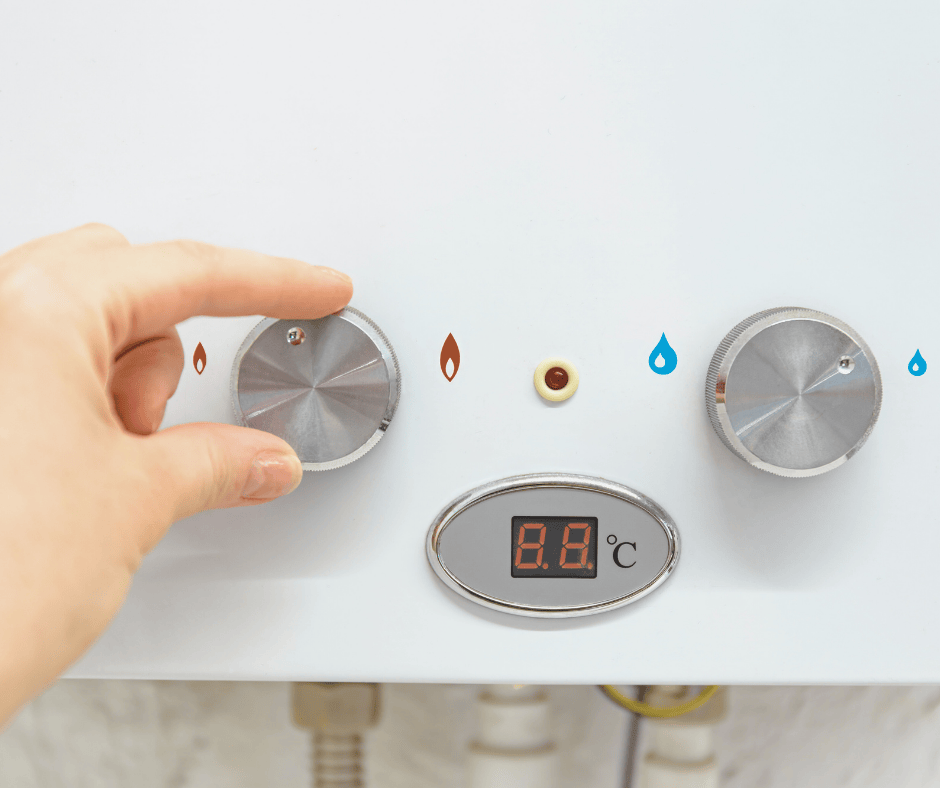
No hot water can mean a failed heating element on an electric unit. It can also mean a pilot light that will not stay lit on a gas unit. Pilot trouble often involves a thermocouple, gas valve, burner issues, or poor draft near the flue pipe. Inconsistent temperature can involve a thermostat, a dip tube, or heavy scale that blocks heat transfer. Water on the floor can come from a loose fitting, a drain valve, or a leaking pressure relief valve. Water pooling at the base can also signal tank failure, which changes the decision fast.

Rumbling noises are common in the 85374 and 85388 areas. That sound often points to sediment buildup. The noise is not always an emergency, but it is a warning sign. Sediment can overheat the base of the tank and shorten life.

When repair is the right call

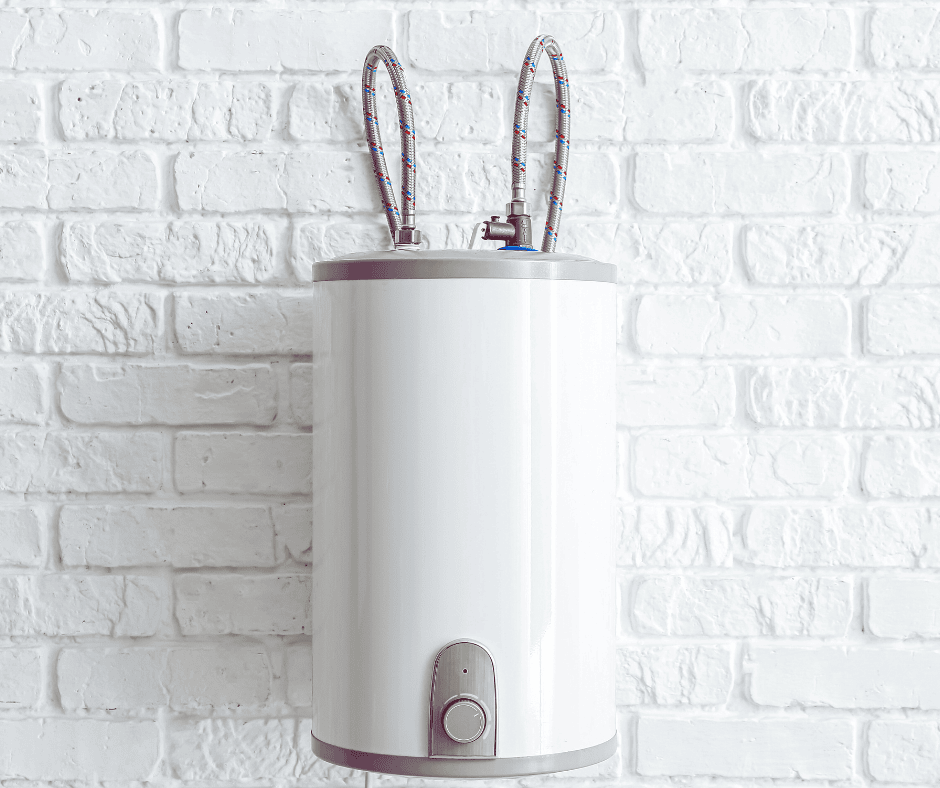
Repair is the best option when the problem is a part, not the tank. A repair can restore hot water quickly and keep cost lower than replacement. It also avoids changes to venting and plumbing runs.

  • The unit is under eight to ten years old and the tank shell shows no seepage.
  • The issue is isolated to thermostats, heating elements, a thermocouple, or a gas valve.
  • The leak comes from a fitting, drain valve, or pressure relief valve.
  • A flush resolves slow recovery caused by sediment.
  • Same day water heater repair is needed.

During a repair visit, technicians test components. On electric models, continuity testing confirms whether upper and lower heating elements are intact. Thermostats are checked for proper control. On gas models, the burner assembly and pilot are inspected, and the thermocouple is tested if the pilot will not stay lit.

The anode rod also matters. It corrodes so the tank does not. In hard water areas like Surprise, that rod can wear down faster. Replacing it can reduce rusty water and extend tank life on many Rheem, Ruud, and A.O. Smith systems.

When replacement is the safer call

Replacement becomes the right call when repairs become frequent or when safety and reliability are at risk. Replacement can also solve capacity issues for growing households.

  • The tank is over ten to twelve years old and shows corrosion or seepage.
  • Water pools at the base and the tank lining has failed.
  • Utility bills rise due to heavy scale and low efficiency.
  • Multiple repairs occur within a short period.
  • The home wants a tankless or higher efficiency system.

A failing tank can release a large volume of water quickly. That risk matters in active adult communities like Sun City Grand, where scheduled replacement often avoids emergency damage.

Real decision factors that change the answer

Safety comes first. A stuck or leaking pressure relief valve requires immediate attention. Gas units also demand safe venting. A flue pipe that does not draft correctly can create unsafe conditions.

Cost should be viewed over time. One repair can be smart. Several repairs in one year often point toward replacement. Lifestyle matters too. Storage tanks are simple and familiar. Tankless systems offer continuous hot water but require proper gas sizing, venting, and regular descaling.

Local coverage and fast response

Grand Canyon Home Services provides water heater repair in Surprise, AZacross zip codes 85374, 85378, 85379, 85387, and 85388. Service areas include Marley Park, Surprise Farms, Sierra Montana, Greer Ranch, Rancho Gabriela, Asante, and Sun City Grand. The team often services homes near Surprise Stadium, Ottawa University, and White Tank Mountain Regional Park.

A clear next move for homeowners

Homeowners do not need to guess. A focused inspection can confirm whether repair or replacement is the safer option. Grand Canyon Home Services is a ROC licensed contractor serving Surprise with background checked technicians and upfront pricing.

Scheduling a water heater inspection and flush can prevent leaks and cold mornings. Grand Canyon Home Services can diagnose the issue, explain options clearly, and complete repair or installation for homes across Surprise.

Redirect to:


Redirect to:


Early warning signs often show up gradually. Unusual noises from the tank can signal sediment buildup. Hot water may not last as long as it used to, or the temperature may fluctuate during use. Water pressure can drop, and hot water may appear rusty or have an odd smell. Small leaks around the base or fittings are another red flag. Frequent service calls and an aging unit often mean the system is nearing the end of its useful life.

Repair usually costs less when the problem is limited and the unit is still relatively young. Replacing a thermostat, heating element, or valve on a newer system can restore function without major expense. Replacement becomes the more practical choice when the water heater is older, the tank itself is leaking, or repairs keep adding up. In those cases, investing in a new unit often reduces future repair costs and lowers energy use, even though the upfront price is higher.

The issue seen most often is mineral and scale buildup inside the tank. In areas with hard water, minerals settle at the bottom and form a thick layer that blocks heat transfer. This makes the unit work harder, creates popping or rumbling sounds, and shortens its lifespan. Other common problems include loss of hot water caused by failed heating elements or pilot issues, small leaks around valves or fittings, and rusty or cloudy water that points to internal corrosion or a worn anode rod.